Loading
Loading content, please wait.4.8 / 5 · 820 reviews
From verified customers
Free US Shipping over $99
Discreet packaging on every order
15,000+ orders shipped
Trusted nationwide
Order Online — Not Available In Store
Premium Cannabis Seeds for Every Grower
Award-winning genetics with fast, discreet shipping across the US
The Seeds Depot is a Boston-based cannabis seed retailer shipping to customers across the United States. Our catalog spans feminized, autoflowering, and regular genetics from breeders whose work has held up over decades rather than a season. Every order leaves in plain, unmarked packaging with nothing on the outside referencing what is inside. Each strain page carries the lineage, terpene profile, and reported effects in enough detail that you can compare packs properly before deciding. If a listing raises a question, our team is reachable by phone or email and answers directly.
Featured Strains
View All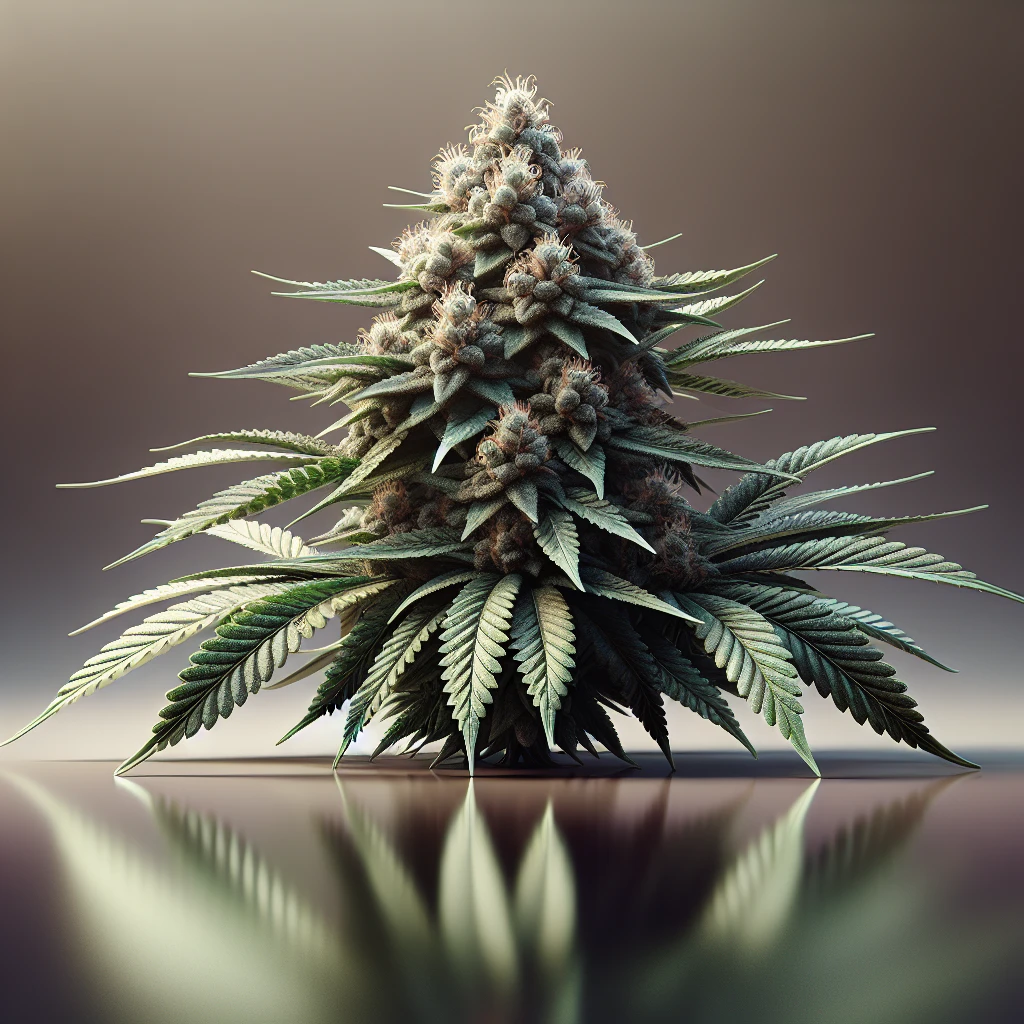
Hybrid
THC:0.5-1.2%
ACDC
Few strains challenge what cannabis can be quite like ACDC. A CBD-dominant phenotype derived from Cannatonic, this remarkable plant delivers 16–24% CBD against a barely perceptible 0.5–1.2% THC — a ratio that makes it one of the most therapeutically oriented varieties ever stabilized. The aroma follows suit: layers of damp earth and pine resin open into a subtle sweetness with faint notes of wild cherry, never aggressive, always grounded. The effects are equally understated by design. ACDC produces a clear-headed calm that doesn't cloud judgment or coordination. People who are sensitive to THC — or who have simply had unpleasant experiences with high-potency varieties — often find ACDC to be the entry point they were looking for. Anxiety stays quiet. Focus stays intact. The body relaxes without the limbs going heavy. There is no high in the conventional sense, only a sustained sense of ease that coexists with a fully functioning mind. Growing ACDC Indoors ACDC is a photoperiod strain that finishes in 9–10 weeks of flower. It reaches moderate height and responds well to low-stress training, making it a natural fit for the standard indoor tent setup. Boston growers working within Massachusetts's six-plant home-grow limit often dedicate one or two of those slots to a high-CBD variety, and ACDC rewards the commitment — its relatively compact canopy and predictable stretch fit comfortably under most 4×4 configurations. Humidity management matters late in flower; the dense, resinous buds can hold moisture, so keeping airflow steady through weeks eight and nine protects the finished crop. CBD: 16–24% | THC: 0.5–1.2% Flowering time: 9–10 weeks (photoperiod) Height: medium, manageable indoors Flavor: earthy, woody, pine, faint cherry sweetness Effects: calm, clear-headed, non-intoxicating For anyone building a home garden around function rather than recreation, ACDC occupies a category almost entirely its own. The flavor is quiet and honest — nothing loud or artificial — and the experience reflects that same quality. Whether the goal is daytime relief without sedation or simply exploring what the plant produces when THC is dialed back to near zero, ACDC makes a compelling case for CBD-first cultivation.
View DetailsCBD: 16-24%
Hybrid
THC:16-21%
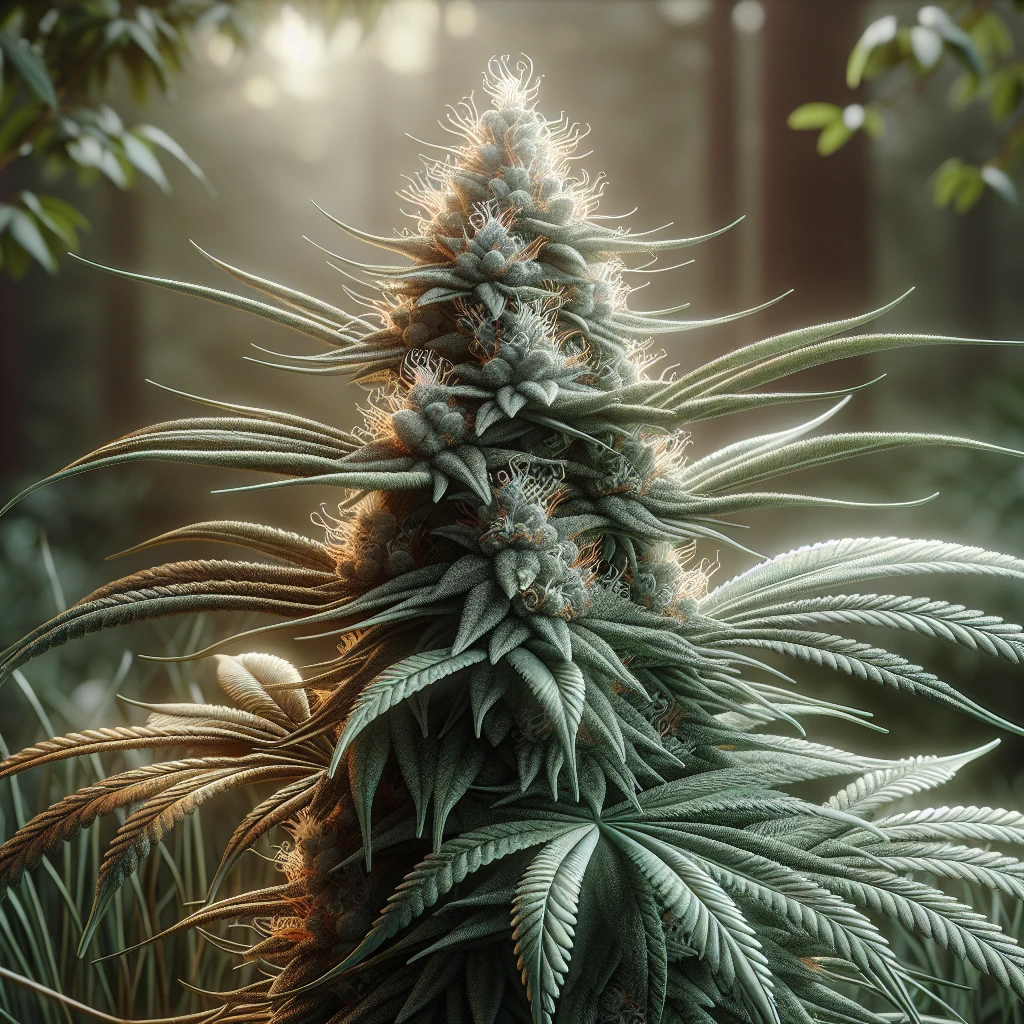
Afghan Autoflower
Rooted in the rugged Hindu Kush mountain range, Afghan Autoflower carries the full weight of one of cannabis's oldest and most respected landrace lineages — now reengineered with Ruderalis genetics so it flowers by age, not by light cycle. That distinction changes everything. Unlike its photoperiod counterpart, this strain triggers its own bloom regardless of how many hours of darkness you give it, moving from seed to harvest in roughly 70–80 days without any light schedule management on your end. The auto life cycle also keeps the plant compact — typically under 80 cm — which makes it an ideal candidate for indoor tent grows in Boston, MA where a dedicated 2×4 tent in a basement or spare room is often the most practical setup during the region's long, frigid winters. You get dense, resinous buds with a classic Afghani profile: deep earth, hash spice, and a faint sweetness underneath — all without waiting out a full photoperiod veg cycle or dialing in a light flip. Effects land firmly in indica territory. Afghan Autoflower delivers a heavy body relaxation that builds steadily and settles into something genuinely sedative. THC tests between 16–21%, with CBD well under 1%, so the experience leans toward deep physical calm rather than cerebral engagement. Evening use suits this strain best, and the resin density makes it a strong candidate for home hash production for those interested in concentrates. Genetics: Afghani landrace + Ruderalis THC: 16–21% | CBD: 0.1–0.5% Cycle: ~70–80 days seed to harvest (autoflower) Height: Typically under 80 cm Flavor: Earthy, hash-like, spicy with sweet undertones Best for: Beginners, indoor tent grows, hash production The Ruderalis influence also brings genuine cold tolerance, a trait that aligns well with Afghan's mountain origins. Hardy and forgiving, this strain handles temperature swings without throwing off its auto cycle — a meaningful advantage for any grower working in a space that isn't perfectly climate-controlled. Beginners will appreciate how little intervention the auto genetics require: no light flip, no extended veg management, just a stable environment and consistent feeding through a compact, predictable run.
View DetailsCBD: 0.1-0.5%
Indica
THC:16-21%
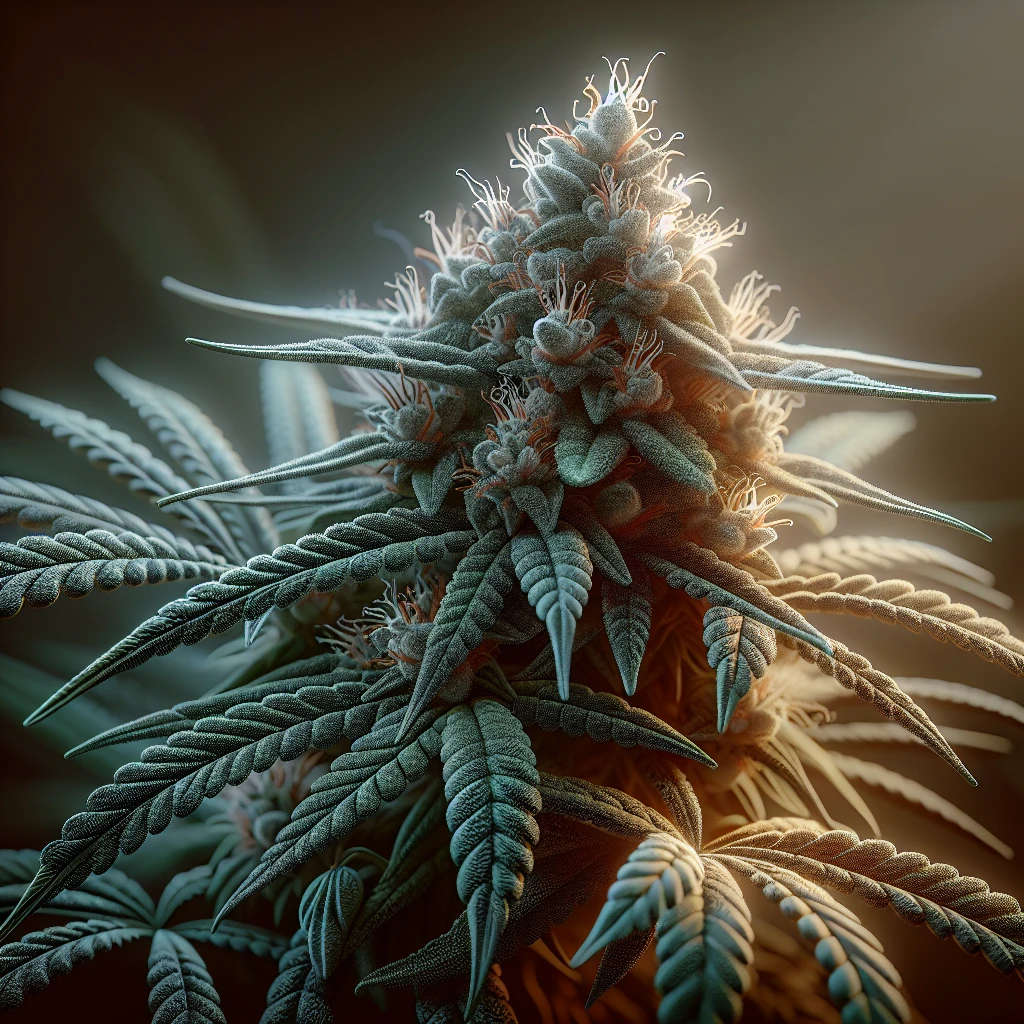
Afghan Kush
Few strains carry the unbroken genetic record of Afghan Kush. Descended directly from the landrace cannabis populations that evolved across the Hindu Kush mountain range of Afghanistan, this pure indica has been shaped by altitude, arid wind, and brutal seasonal swings over centuries rather than in any breeder's greenhouse. That origin story isn't marketing — it shows up in every physical trait, from the plant's compact, resin-blanketed structure to the sheer thickness of trichome coverage on the dried flower. On the nose, Afghan Kush leans hard into the old-world hash tradition it helped create. The dominant myrcene backbone drives a deep earthy musk, while beta-caryophyllene adds a dry, peppery sandalwood warmth underneath. A quiet pinene thread lifts things just enough with a whisper of mountain herbs and fresh pine. The smoke itself is smooth and full — woody on the inhale, with a faint sweetness and lingering spice that builds across a session rather than fading into nothing. The effects arrive slowly and then all at once. THC running between 16–21% delivers a body-first wave that moves from the shoulders downward, replacing tension with a heavy, settled calm. The head stays clear enough early on, but the indica weight compounds with time, making this a strain best reserved for late evenings rather than afternoons with obligations. It doesn't offer euphoria so much as a thorough unwinding. Growing Afghan Kush Indoors in New England Afghan Kush is one of the more forgiving cultivars for growers running tent setups through a long Boston, MA winter. The plant stays short and bushy by nature — manageable in a 4x4 without aggressive training — and its 7–8 week flowering window means indoor runs can be timed and completed regardless of what's happening outside. The dense bud structure does demand steady airflow and humidity control during the final weeks of flower; the same trichome production that makes this strain prized for resin also invites moisture-related issues if the environment slips. Maintain low relative humidity through late flower and the reward is thick, hash-scented colas with serious weight. Keep relative humidity below 45% during weeks 6–8 of flower to guard against bud rot Low-stress training early in veg opens up the canopy without fighting the plant's natural structure Expect 400–500g/m² indoors under adequate lighting; the short stature allows close canopy management Flush the final 7–10 days to preserve the clean, earthy terpene profile on cure Seed-to-harvest phenotype stability is one of Afghan Kush's most underrated traits. Because this is a true landrace rather than a polyhybrid, expression from seed to seed stays remarkably consistent — what you grow from one pack will closely mirror the next. For home cultivators building a repeatable cycle under Massachusetts's six-plant personal-grow allowance, that predictability has real practical value.
View DetailsCBD: 0.1-0.5%
Browse By Strain Type
Explore our collection of premium cannabis seeds categorized by their effects and properties
Indica Strains
View All IndicaIndica
Afghan Kush
Few strains carry the unbroken genetic record of Afghan Kush. Descended directly from the landrace cannabis populations that evolved across the Hindu Kush mountain range of Afghanistan, this pure indica has been shaped by altitude, arid wind, and brutal seasonal swings over centuries rather than in any breeder's greenhouse. That origin story isn't marketing — it shows up in every physical trait, from the plant's compact, resin-blanketed structure to the sheer thickness of trichome coverage on the dried flower. On the nose, Afghan Kush leans hard into the old-world hash tradition it helped create. The dominant myrcene backbone drives a deep earthy musk, while beta-caryophyllene adds a dry, peppery sandalwood warmth underneath. A quiet pinene thread lifts things just enough with a whisper of mountain herbs and fresh pine. The smoke itself is smooth and full — woody on the inhale, with a faint sweetness and lingering spice that builds across a session rather than fading into nothing. The effects arrive slowly and then all at once. THC running between 16–21% delivers a body-first wave that moves from the shoulders downward, replacing tension with a heavy, settled calm. The head stays clear enough early on, but the indica weight compounds with time, making this a strain best reserved for late evenings rather than afternoons with obligations. It doesn't offer euphoria so much as a thorough unwinding. Growing Afghan Kush Indoors in New England Afghan Kush is one of the more forgiving cultivars for growers running tent setups through a long Boston, MA winter. The plant stays short and bushy by nature — manageable in a 4x4 without aggressive training — and its 7–8 week flowering window means indoor runs can be timed and completed regardless of what's happening outside. The dense bud structure does demand steady airflow and humidity control during the final weeks of flower; the same trichome production that makes this strain prized for resin also invites moisture-related issues if the environment slips. Maintain low relative humidity through late flower and the reward is thick, hash-scented colas with serious weight. Keep relative humidity below 45% during weeks 6–8 of flower to guard against bud rot Low-stress training early in veg opens up the canopy without fighting the plant's natural structure Expect 400–500g/m² indoors under adequate lighting; the short stature allows close canopy management Flush the final 7–10 days to preserve the clean, earthy terpene profile on cure Seed-to-harvest phenotype stability is one of Afghan Kush's most underrated traits. Because this is a true landrace rather than a polyhybrid, expression from seed to seed stays remarkably consistent — what you grow from one pack will closely mirror the next. For home cultivators building a repeatable cycle under Massachusetts's six-plant personal-grow allowance, that predictability has real practical value.
THC: 16-21%
View Details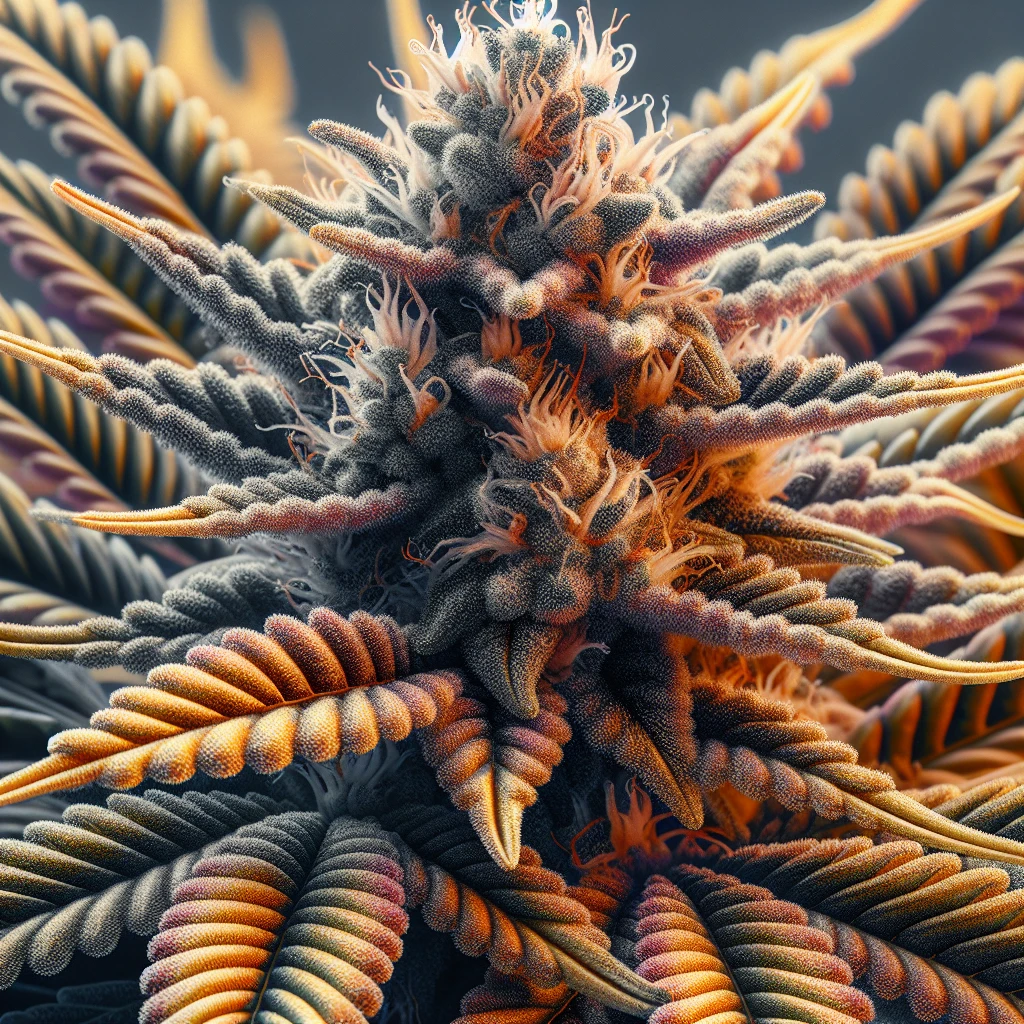
Indica
Autoflowering Gold Leaf
Named for the spectacular transformation that overtakes its fan leaves in the final weeks of flower — a dense frost of golden trichomes that coats the canopy like late-October foliage — Autoflowering Gold Leaf is one of the more visually striking autos you can grow in a tent. That amber-gold sheen is not cosmetic; it signals the same potent, indica-dominant genetics that made the original Gold Leaf a favorite among experienced growers, now packaged in a Ruderalis-crossed autoflower that moves from seed to harvest in just 8 to 10 weeks. Because the auto lifecycle is triggered by age rather than a light schedule change, this strain flowers on its own timetable regardless of the hours you give it. Running it at 18 to 20 hours of light from day one pushes photosynthesis hard through the entire grow and rewards you with dense, resinous buds on a plant that typically tops out between 60 and 100 cm — compact enough to sit comfortably under a 2×2 tent in a spare bedroom. For Boston growers working with Massachusetts' six-plant home-grow allowance, that compact footprint means you can run two or three autos alongside a couple of photoperiod plants without fighting for space or juggling separate light schedules. The flavor profile is layered and worth anticipating: a sweet base with spicy undertones, a citrus brightness that hits mid-exhale, and a faint pine note underneath it all. The effects open with an uplifting, euphoric onset before settling into the deep full-body relaxation that indica-dominant genetics reliably deliver. With THC testing between 22 and 26 percent, this is not an entry-level strain — it suits experienced consumers or those who have built a comfortable tolerance and are looking for genuine evening or nighttime relief. Why Auto Gold Leaf Works for New England Growers Frost-free window fit: Boston's outdoor season typically runs mid-May through early October. An 8–10 week auto planted after last frost finishes well before the first hard freeze — no race against the calendar that photoperiods demand. No light-flip required: Autos ignore the shortening autumn daylength that confuses photoperiods started late. The plant flowers on schedule regardless. Compact height: At 60–100 cm, it stays manageable in a basement or closet tent through a long New England winter grow. Faster inventory: Multiple back-to-back cycles are realistic in a single season, indoors or out. Autoflowering Gold Leaf carries the same dense bud structure and complex aroma as its photoperiod counterpart, but the auto version is a distinct grow experience — faster, smaller, and entirely uncoupled from your light timer. If you've grown the original and wondered whether the auto could match it, the trichome coverage in week nine will answer that question.
THC: 22-26%
View Details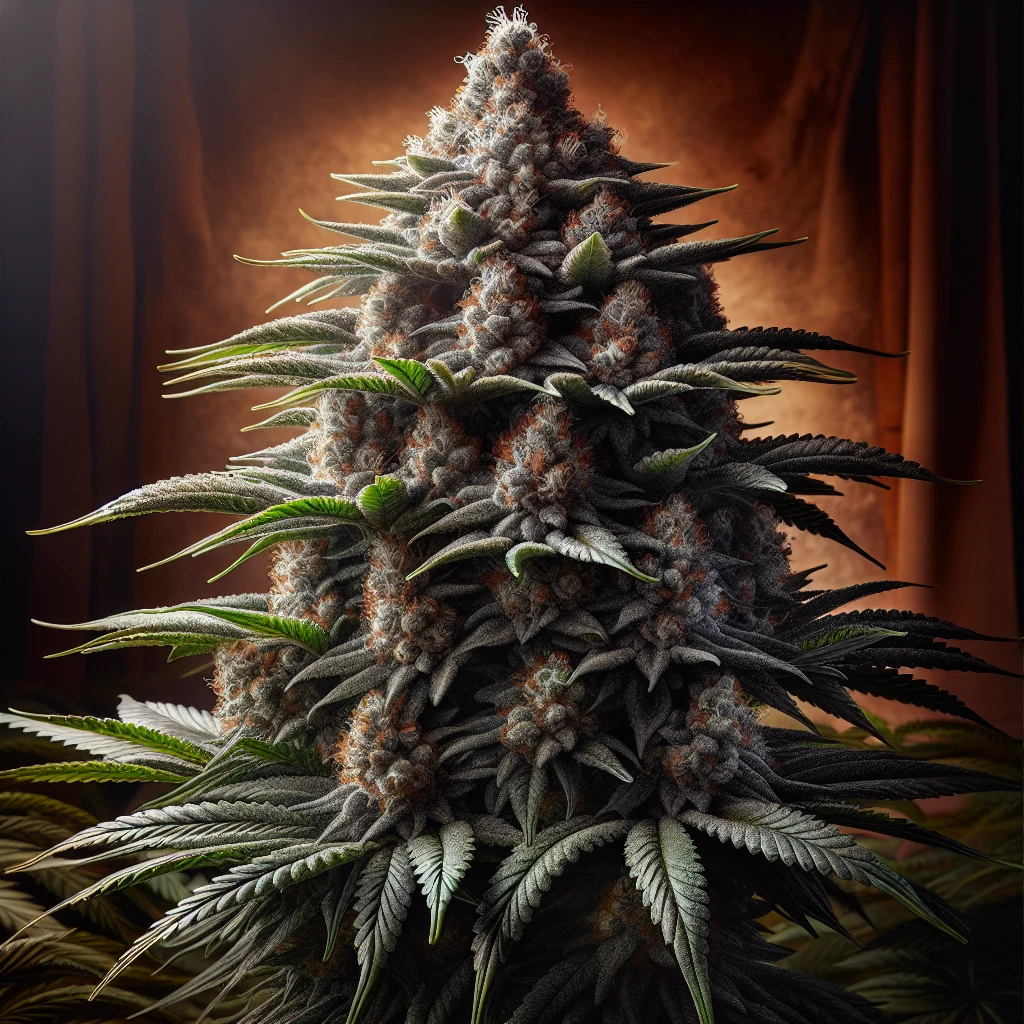
Indica
Big Bud
\r\n Massive Yields: Big Bud plants are celebrated for their large, heavy buds, maximizing output and making them a top choice for yield-focused cultivators. \r\n Thick Resin Coating: The buds are densely coated in resin, enhancing their potency and making them ideal for high-quality extracts. \r\n Relaxing Effects: Ideal for evening use, these seeds grow into plants that provide a powerful, soothing effect, perfect for unwinding. \r\n
THC:
View DetailsSativa Strains
View All Sativa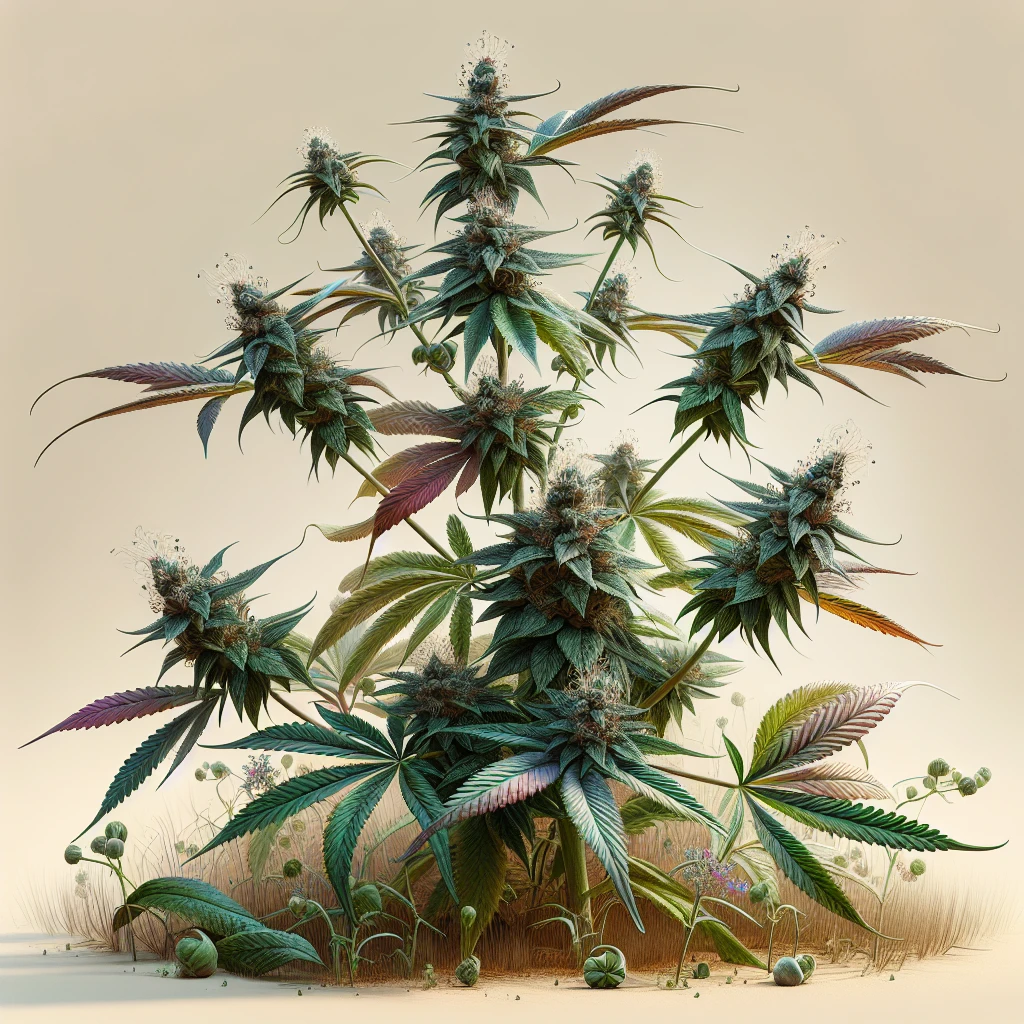
Sativa
Alien Gas XXL Auto
Few autoflowers announce themselves as boldly as Alien Gas XXL Auto. Break open a bud and the pungent diesel funk hits immediately — a sharp, fuel-forward aroma layered with sour citrus that lingers on your fingers and your palate alike. This is a strain built for growers who want presence, both in the garden and in the experience it delivers. Sativa-dominant at its core, Alien Gas XXL Auto produces uplifting, cerebral effects that keep you functional without locking you to the couch. At 16–18% THC, potency lands in approachable territory — strong enough to feel genuinely effective, moderate enough that creative work, errands, or a walk through the neighborhood remain entirely in reach. The energy is clean and motivating rather than anxious, making it a solid choice for daytime sessions when you need a clear head alongside the high. The autoflower genetics are where this strain truly earns its place in a New England grow. Ruderalis heritage means Alien Gas XXL Auto flowers according to age, not photoperiod — no light-schedule manipulation required, no stress about the shorter days of a Massachusetts autumn cutting your season short. Boston growers squeezing the most out of a frost-free window that rarely stretches past late October can run two full outdoor cycles on a balcony or patio, finishing the second harvest well before the first hard freeze arrives. Plants stay compact and manageable, making them easy to move indoors if an early cold snap threatens, and the hardened Ruderalis background gives them genuine resilience against the temperature swings that come standard with a New England growing season. Flowering time: 7–9 weeks from seed — among the faster autoflower timelines Yield: XXL designation reflects above-average output for an autoflower cultivar Height: compact and discreet, well-suited to balcony, patio, or tent grows Aroma: diesel and fuel-forward with pronounced sour citrus undertones Effects: uplifting, creative, functional — sativa-leaning without edge-of-anxiety intensity THC: 16–18% | CBD: 0.1–0.5% The "XXL" in the name is not marketing fluff — this auto is bred to push yield boundaries that compact autoflowers often can't reach, rewarding attentive feeding and good light without demanding the complexity of a photoperiod grow. Whether you're working within the Massachusetts six-plant home-grow limit and want each plant to count, or simply running a single tent through a long New England winter, Alien Gas XXL Auto offers a straightforward path to generous, fuel-scented harvests with a high that keeps pace with a productive day.
THC: 16-18%
View Details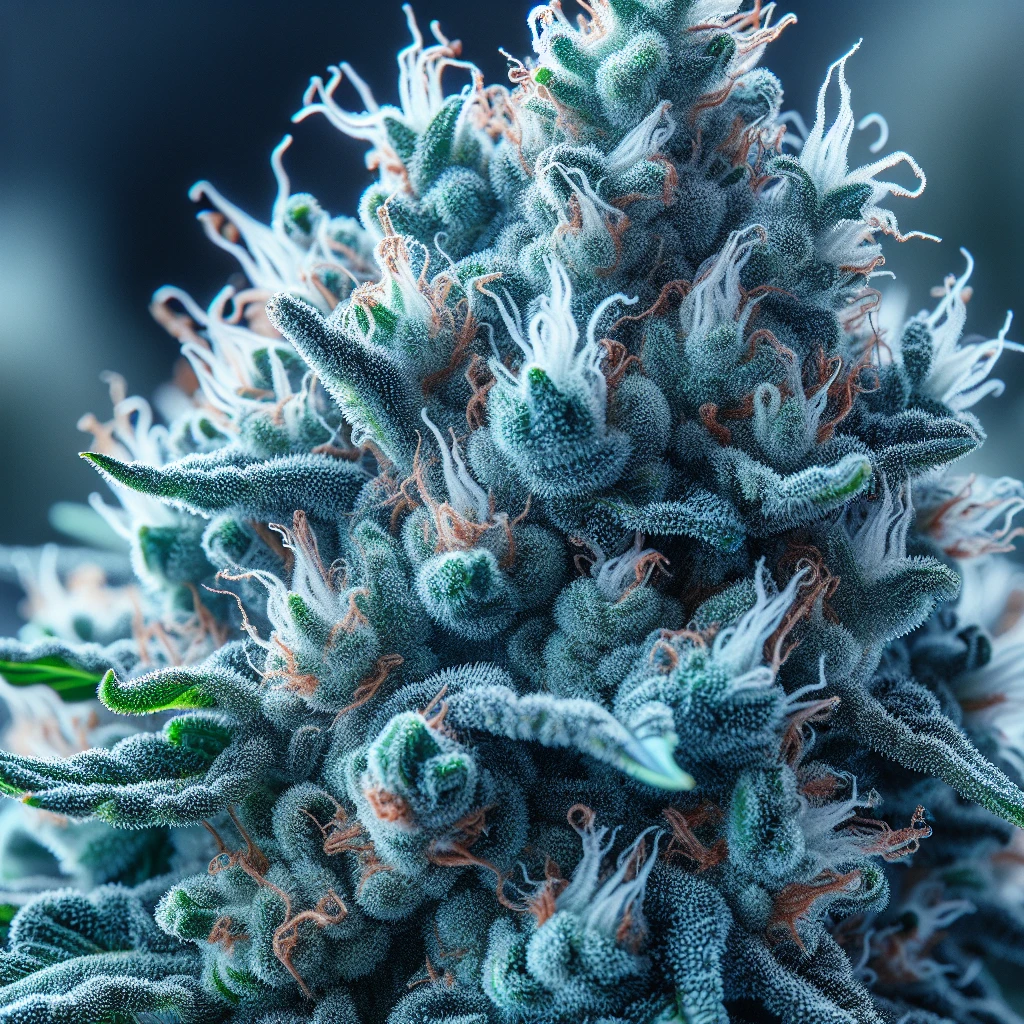
Sativa
Autoflowering Blue Dream
Few strains carry the kind of reputation that Blue Dream has built over decades — and this autoflowering expression delivers that same sweet, euphoric experience without demanding a photoperiod light schedule or a full growing season to do it. By weaving Ruderalis genetics into the classic Blueberry x Haze lineage, breeders unlocked a plant that flowers purely on age, hitting harvest in 10 to 11 weeks from seed regardless of how many hours of light it receives each day. On the nose and on the palate, Autoflowering Blue Dream stays true to its heritage: ripe blueberry upfront, followed by a ribbon of vanilla and a squeeze of light citrus, all grounded by a subtle earthiness that keeps the sweetness from turning cloying. Effects arrive with a wave of uplifting euphoria and a gentle creative clarity that makes it one of the more functional highs in the sativa category. At 17 to 23% THC the potency is real — accessible enough for newer consumers to enjoy without being caught off guard, but substantial enough that experienced users won't feel short-changed. A soft full-body relaxation trails the cerebral lift, making it well-suited to daytime creative work, social afternoons, or anything that benefits from an engaged, unhurried mindset. For growers, the autoflowering life cycle is the defining difference between this version and the photoperiod Blue Dream also offered here. This plant stays compact — typically 60 to 90 cm — which fits neatly into a 4x4 tent or on an apartment balcony without demanding the kind of vertical space a full-size sativa would require. There is no need to manage separate vegetative and flowering light schedules; the plant transitions on its own internal clock, simplifying the grow considerably for first-timers and freeing up time for more experienced cultivators. That autonomy is especially valuable in Massachusetts, where the outdoor growing window between the last frost and the first hard freeze of autumn runs roughly from mid-May to late September — a stretch that suits a 10 to 11 week auto cycle almost exactly. Boston gardeners working under the state's six-plant home-grow allowance can drop a seed in late May, tend it through a New England summer, and pull a harvest well before October cold sets in, without the race against the calendar that photoperiod plants require. The compact structure also means it tucks discreetly into a raised bed or container on a south-facing patio. Autoflowering Blue Dream suits a wide range of growers: beginners who want a forgiving, fast-finishing plant with elite flavor, and veterans who want that classic Blue Dream character in a smaller, schedule-agnostic package. The 10 to 11 week timeline is slightly longer than many autos, but the payoff — genuine Blue Dream aroma, flavor, and effect from a Ruderalis-crossed plant — makes every extra day worthwhile.
THC: 17-23%
View Details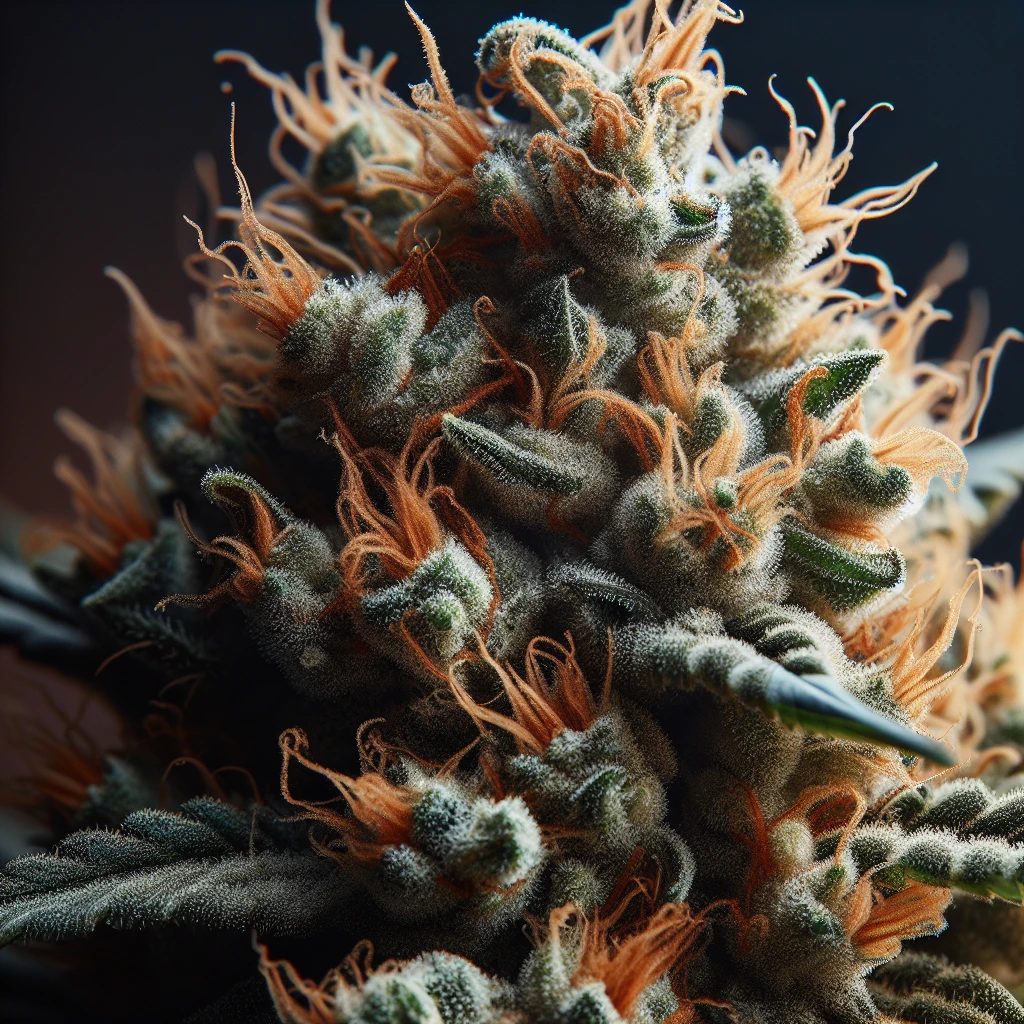
Sativa
Autoflowering Haze
Few cannabis strains carry a lineage as storied as Haze. Born from the crossing of Colombian, Mexican, Thai, and South Indian sativa genetics, the original Haze became a benchmark for cerebral, euphoric highs — but its notoriously long 14 to 16-week flowering cycle kept it out of reach for most northern growers. This autoflowering expression solves that problem decisively. By introducing Ruderalis genetics, the strain sheds its dependence on light schedules entirely, triggering flower automatically based on age and completing the full cycle from seed to harvest in just 7 to 8 weeks. For home growers in Boston, MA, that speed is not a luxury — it is a necessity. The New England outdoor season is brutally short, and photoperiod Haze would still be stretching for buds when October frosts arrive. The autoflowering version slips easily into a full-spectrum tent through a Boston winter, unaffected by the 14-hour nights or the grey weeks of February. Under a consistent 18-6 light schedule indoors, it matures from a freshly cracked seed into a harvest-ready plant before many photoperiod strains have even begun to flip. The Ruderalis cross also tames the sprawling sativa structure somewhat, keeping plants in the 70 to 110 cm range — still taller than most indica autos but manageable within the MA six-plant home-grow limit even in modest tent setups. The sensory profile is as complex as the genetics suggest. Expect a layered aroma of spicy earth, sweet citrus, sandalwood, and incense — a smell that fills a grow room with something close to a spice market. The smoke carries that same aromatic richness through to the palate, finishing with a warm, resinous exhale that lingers pleasantly. THC: 19–24% — potent, best approached with intention by newer consumers CBD: 0.1–0.3% Flowering time: 7–8 weeks from seed Height: 70–110 cm Strain type: Sativa-dominant autoflower The effects are classically sativa: intensely cerebral, fast-moving euphoria that sharpens focus and sparks creativity rather than pinning you to the couch. At 19 to 24% THC this is not a casual strain, but experienced users will find it excellent for daytime work, creative projects, conversation, and outdoor activity. It rewards the grower's patience — brief as that wait now is — with one of the most mentally engaging highs in the autoflower category, a genuine heir to the Haze name without the photoperiod grower's calendar nightmare.
THC: 19-24%
View DetailsHybrid Strains
View All HybridHybrid
ACDC
Few strains challenge what cannabis can be quite like ACDC. A CBD-dominant phenotype derived from Cannatonic, this remarkable plant delivers 16–24% CBD against a barely perceptible 0.5–1.2% THC — a ratio that makes it one of the most therapeutically oriented varieties ever stabilized. The aroma follows suit: layers of damp earth and pine resin open into a subtle sweetness with faint notes of wild cherry, never aggressive, always grounded. The effects are equally understated by design. ACDC produces a clear-headed calm that doesn't cloud judgment or coordination. People who are sensitive to THC — or who have simply had unpleasant experiences with high-potency varieties — often find ACDC to be the entry point they were looking for. Anxiety stays quiet. Focus stays intact. The body relaxes without the limbs going heavy. There is no high in the conventional sense, only a sustained sense of ease that coexists with a fully functioning mind. Growing ACDC Indoors ACDC is a photoperiod strain that finishes in 9–10 weeks of flower. It reaches moderate height and responds well to low-stress training, making it a natural fit for the standard indoor tent setup. Boston growers working within Massachusetts's six-plant home-grow limit often dedicate one or two of those slots to a high-CBD variety, and ACDC rewards the commitment — its relatively compact canopy and predictable stretch fit comfortably under most 4×4 configurations. Humidity management matters late in flower; the dense, resinous buds can hold moisture, so keeping airflow steady through weeks eight and nine protects the finished crop. CBD: 16–24% | THC: 0.5–1.2% Flowering time: 9–10 weeks (photoperiod) Height: medium, manageable indoors Flavor: earthy, woody, pine, faint cherry sweetness Effects: calm, clear-headed, non-intoxicating For anyone building a home garden around function rather than recreation, ACDC occupies a category almost entirely its own. The flavor is quiet and honest — nothing loud or artificial — and the experience reflects that same quality. Whether the goal is daytime relief without sedation or simply exploring what the plant produces when THC is dialed back to near zero, ACDC makes a compelling case for CBD-first cultivation.
THC: 0.5-1.2%
View DetailsHybrid
Afghan Autoflower
Rooted in the rugged Hindu Kush mountain range, Afghan Autoflower carries the full weight of one of cannabis's oldest and most respected landrace lineages — now reengineered with Ruderalis genetics so it flowers by age, not by light cycle. That distinction changes everything. Unlike its photoperiod counterpart, this strain triggers its own bloom regardless of how many hours of darkness you give it, moving from seed to harvest in roughly 70–80 days without any light schedule management on your end. The auto life cycle also keeps the plant compact — typically under 80 cm — which makes it an ideal candidate for indoor tent grows in Boston, MA where a dedicated 2×4 tent in a basement or spare room is often the most practical setup during the region's long, frigid winters. You get dense, resinous buds with a classic Afghani profile: deep earth, hash spice, and a faint sweetness underneath — all without waiting out a full photoperiod veg cycle or dialing in a light flip. Effects land firmly in indica territory. Afghan Autoflower delivers a heavy body relaxation that builds steadily and settles into something genuinely sedative. THC tests between 16–21%, with CBD well under 1%, so the experience leans toward deep physical calm rather than cerebral engagement. Evening use suits this strain best, and the resin density makes it a strong candidate for home hash production for those interested in concentrates. Genetics: Afghani landrace + Ruderalis THC: 16–21% | CBD: 0.1–0.5% Cycle: ~70–80 days seed to harvest (autoflower) Height: Typically under 80 cm Flavor: Earthy, hash-like, spicy with sweet undertones Best for: Beginners, indoor tent grows, hash production The Ruderalis influence also brings genuine cold tolerance, a trait that aligns well with Afghan's mountain origins. Hardy and forgiving, this strain handles temperature swings without throwing off its auto cycle — a meaningful advantage for any grower working in a space that isn't perfectly climate-controlled. Beginners will appreciate how little intervention the auto genetics require: no light flip, no extended veg management, just a stable environment and consistent feeding through a compact, predictable run.
THC: 16-21%
View Details
Hybrid
Alien Mints
Descended from a cross of Alien OG and Girl Scout Cookies, Alien Mints carries unmistakable pedigree from two of the most influential West Coast genetics of the past two decades. The resulting hybrid punches at 18–22% THC and delivers a layered terpene profile built around limonene, caryophyllene, and myrcene — the combination responsible for its signature cool-menthol opening, sweet dough mid-note, and a deep, earthy-fuel finish that lingers well after the exhale. The onset leans cerebral first, bringing a focused, uplifted clarity that suits creative work or unhurried conversation. After twenty minutes or so, a body component rolls in behind it — not sedating so much as grounding, smoothing muscle tension without pulling the mind under. The balance is why this strain tends to attract people who want something strong enough to feel purposeful but even-keeled enough to stay functional through the evening hours. Growing Alien Mints Indoors in Boston With a 10–11 week flowering window, Alien Mints is firmly an indoor strain for anyone in Boston, MA. New England outdoor harvests typically need to wrap up before mid-October at the latest, and this variety simply cannot finish on that schedule given the region’s shortening days and unpredictable early-autumn rainfall. Running it under controlled light in a grow tent through the long Boston winter actually plays to the strain’s needs: its dense, trichome-heavy colas are prone to botrytis if late-season outdoor humidity gets into them, so the ability to hold canopy RH at 45–50% in weeks six through eleven makes a material difference in bud quality and yield. Keep canopy temperatures between 74–78°F through mid-flower; drops below 68°F slow resin development. Drop relative humidity to 42–48% during the final three weeks to protect dense colas from mold. Topping early and running a low-stress training spread improves light penetration and can push indoor yields toward the 450–500 g/m² range. Expect a height of two to four feet indoors — manageable for a standard 5x5 tent under a 600W or equivalent LED. The plants respond well to moderate feeding programs and do not demand anything exotic from a nutrient standpoint. Growers who have cultivated GSC lineages before will find the growth structure familiar: compact internodal spacing, side branches that want to be trained outward, and buds that stack aggressively once the canopy flips. The payoff is a harvest that smells of cool mint, sweet pastry, and a faint petroleum edge — exactly what the finished smoke delivers.
THC: 18-22%
View DetailsBrowse by Strain Lineage
Shop by genetic family — from the foundational Kush and Haze lines to modern crosses like Gelato and Cookies.
Find Your Perfect Strain
Use our interactive tool to discover strains that match your preferences and growing conditions
About Us
The Seeds Depot operates out of Boston, Massachusetts and ships cannabis seeds nationwide. We have filled more than 15,000 orders and hold a 4.8 out of 5 rating across 820 verified customer reviews. Our selection is curated rather than exhaustive, so every strain listed earned its place through breeder reputation and customer feedback instead of padding the catalog. We publish detailed lineage, terpene, and effect information on each strain page so you can weigh options side by side. Questions are welcome at (508) 736-5510 or info@theseedsdepot.com, and our own team handles the response.
What Our Customers Say
Don't just take our word for it - hear from growers who have experienced success with our seeds
"I've been growing cannabis for over 5 years, and these are some of the best seeds I've ever used. The germination rate was nearly 100%, and the plants are thriving. Highly recommended!"
Michael T.
Boston, MA
Experienced Grower
Why Choose Our Seeds
We're committed to providing the highest quality cannabis seeds and exceptional customer service
Premium Genetics
Our seeds come from award-winning strains and are carefully selected for quality and potency
Quality Guarantee
Every pack is backed by our satisfaction guarantee, and we make it right if something is wrong
Expert Support
Our team knows the catalog inside out and is available by phone or email to help you choose
Discreet Shipping
All orders are shipped in plain packaging with no indication of the contents inside
Browse the full catalog and find the strain you have been looking for, with free US shipping on orders over $99 and discreet packaging on every shipment. Checkout takes a couple of minutes and your order ships from Boston.
Browse Our Seeds